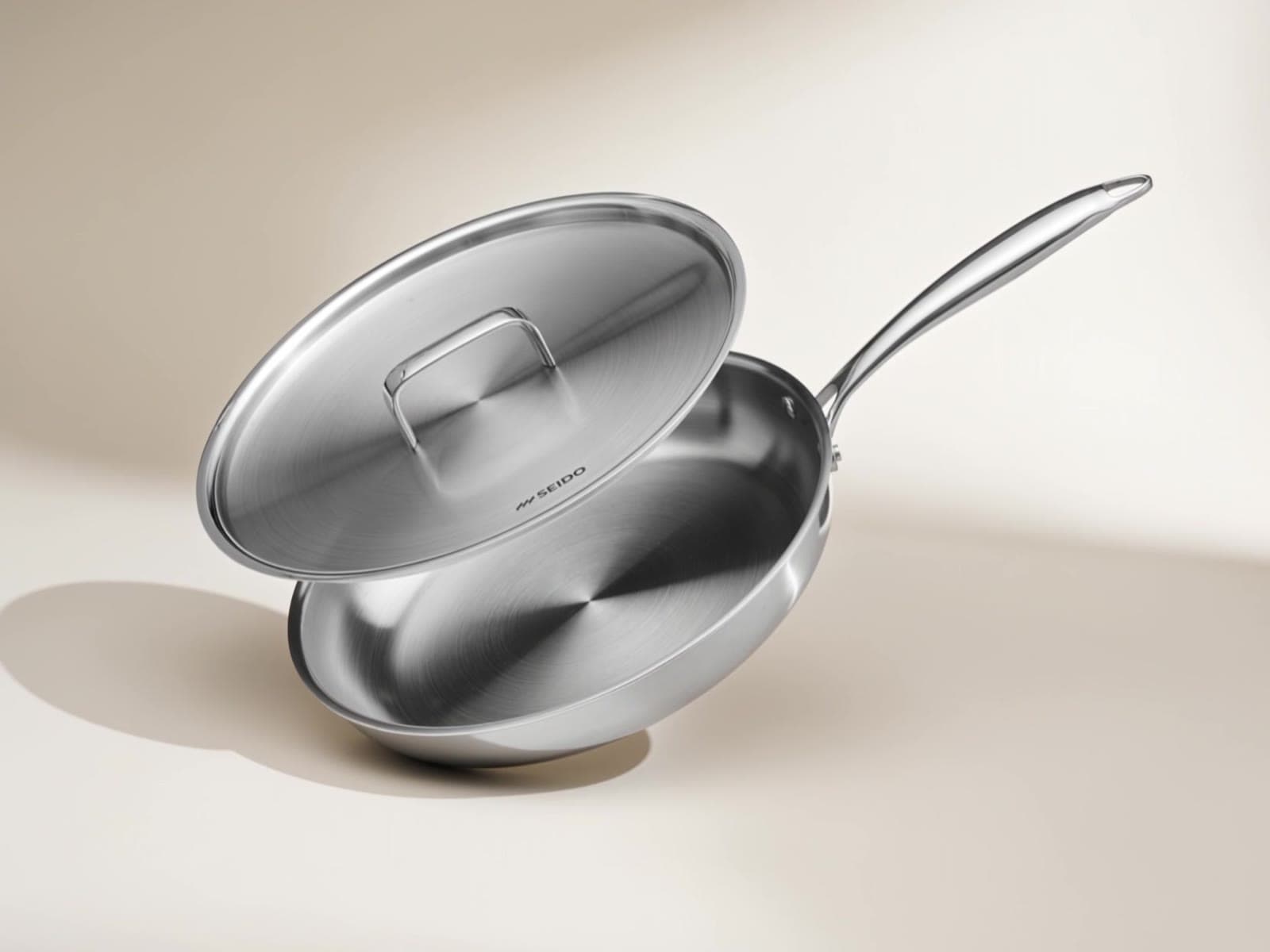
Uncoated stainless steel cookware
Stainless Steel Cookware, Uncoated by Design
Tri-ply clad skillets with a 304 (18/8) cooking surface, and stainless steel lunch boxes — made without intentionally added PFAS. 5-Year Limited Warranty.
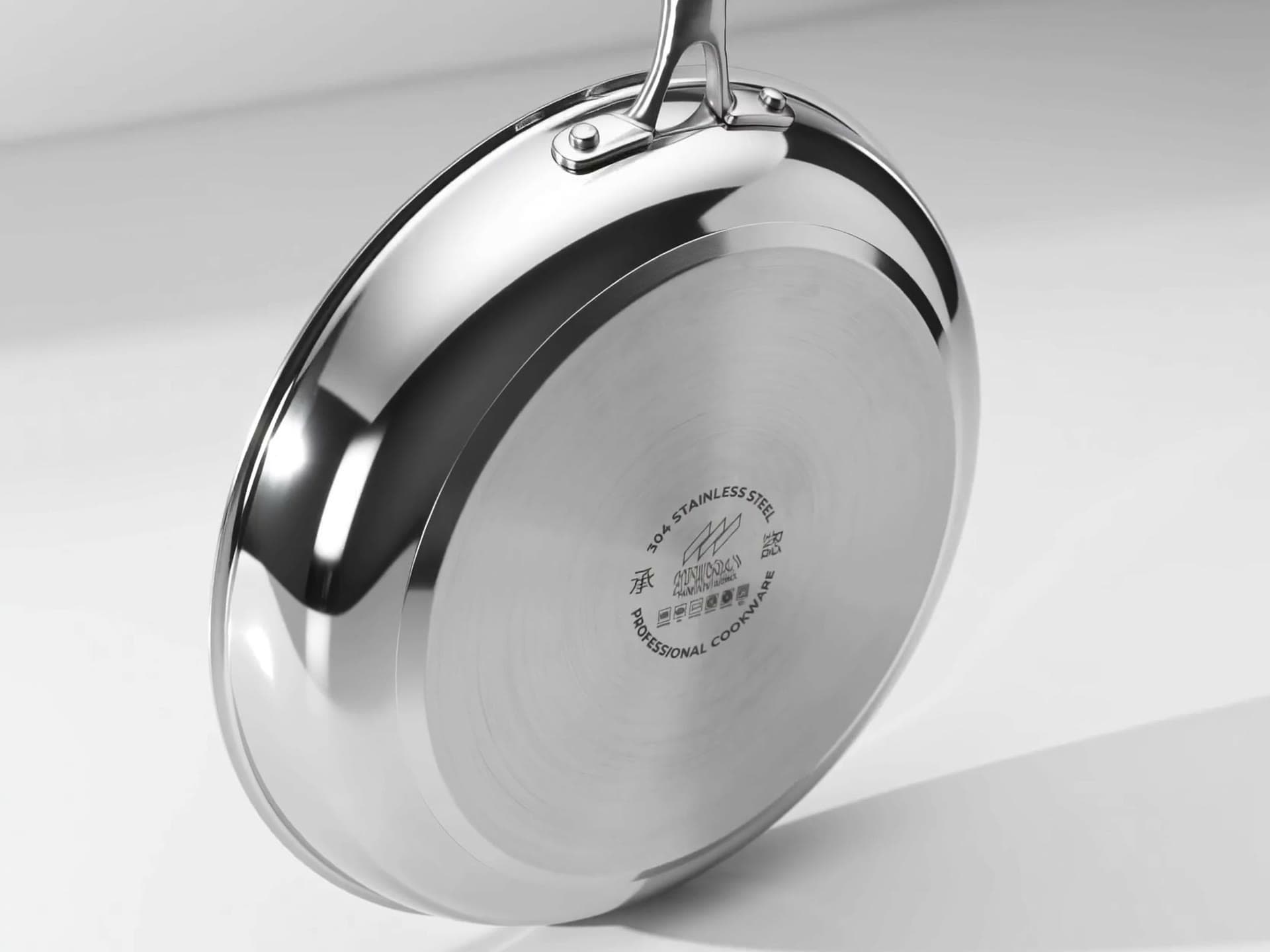
The material
The cooking surface is 304 (18/8) stainless steel, with nothing applied on top of it.
精度 — precision
What does the name SEIDO mean?
SEIDO Cookware takes its name from 精度 (seido), the Japanese word for precision. It is a fact about the name — a standard the brand holds itself to: exact sizes, one honest surface, and nothing hidden under a coating.
Verified, not claimed.
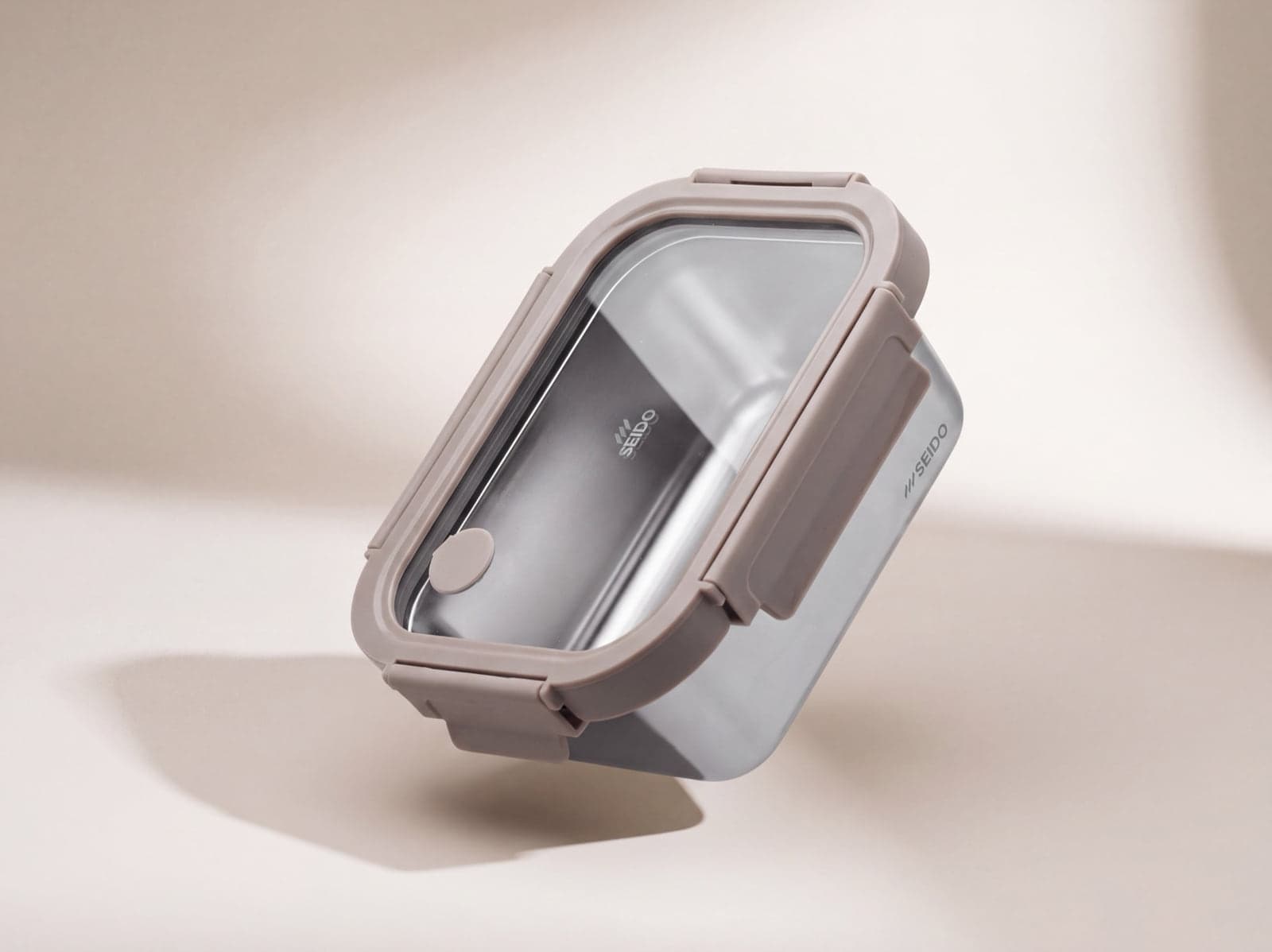
A 304 (18/8) stainless steel cooking surface on every skillet, 304 (18/8) food-grade stainless steel lunch box containers, made without intentionally added PFAS. The third-party test documents are published for you to read.
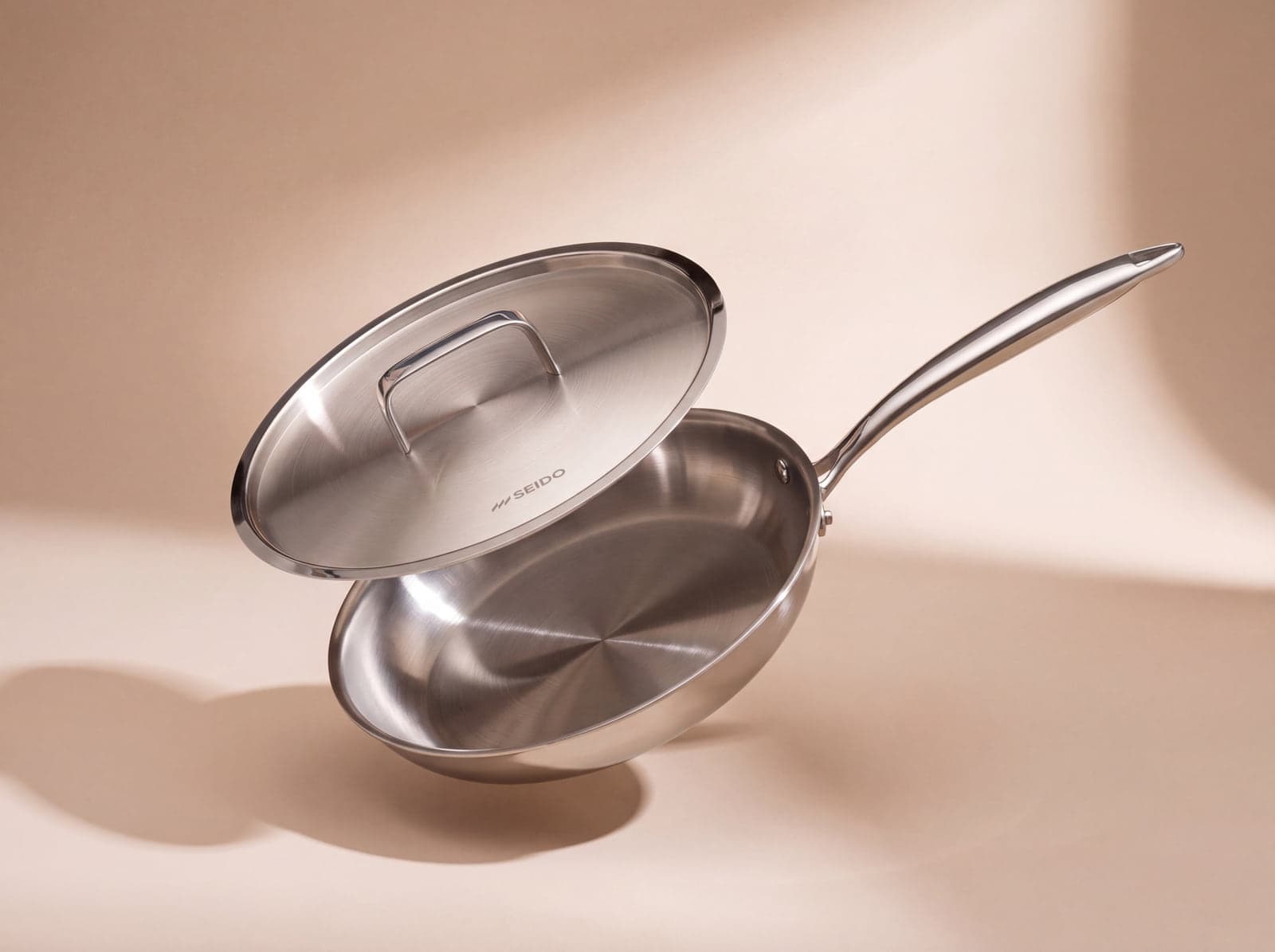
Meal prep
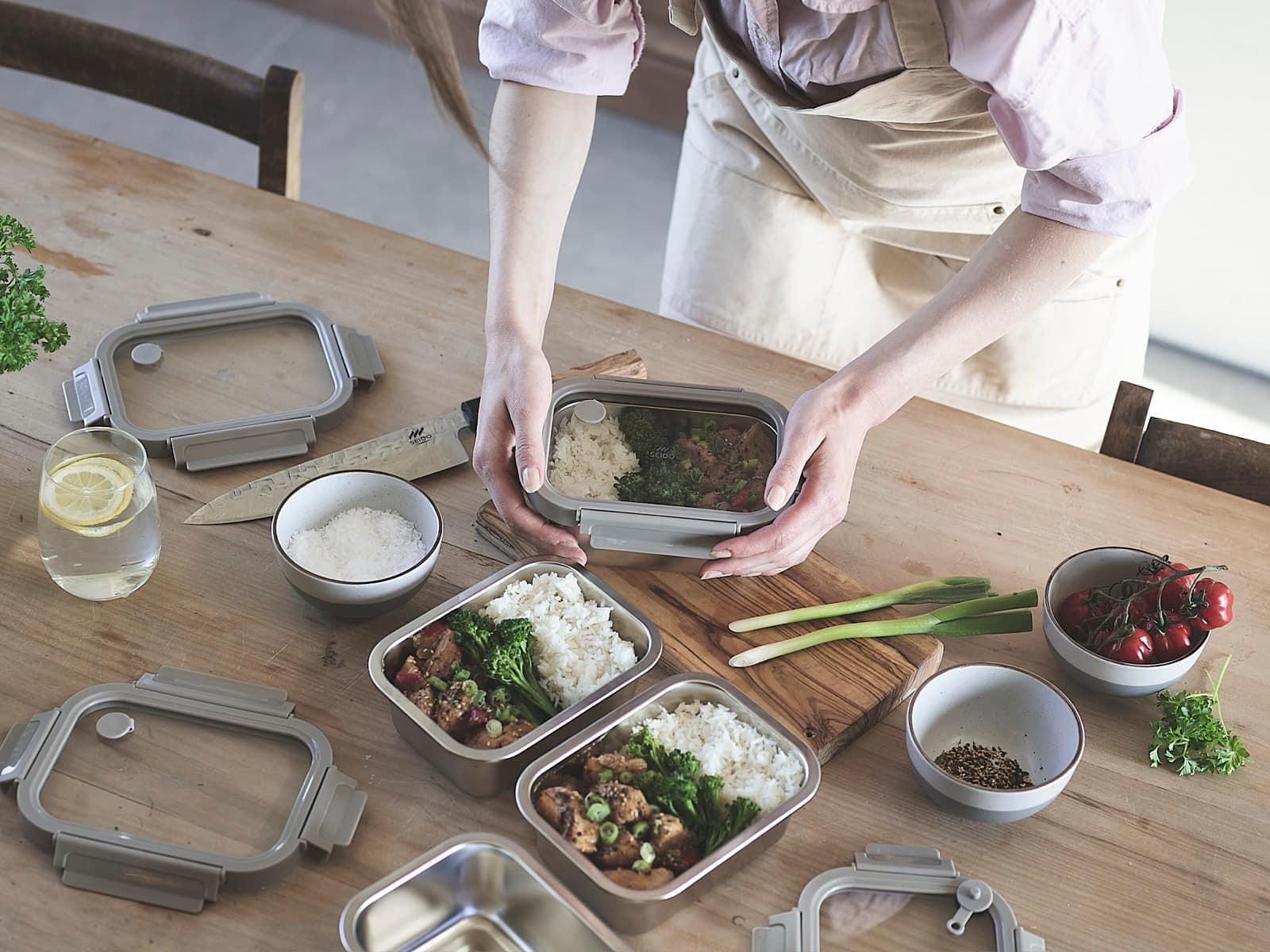
Cook once. Eat all week.
Batch cook in a Sear Series skillet, portion into three Prep Series containers, and the front half of the week is done — refrigerator to gym bag to microwave, in steel that does not stain, hold odors, or wear out in the wash.
Meal prep in stainless steelTested, then photographed
Everything we show, we can prove.
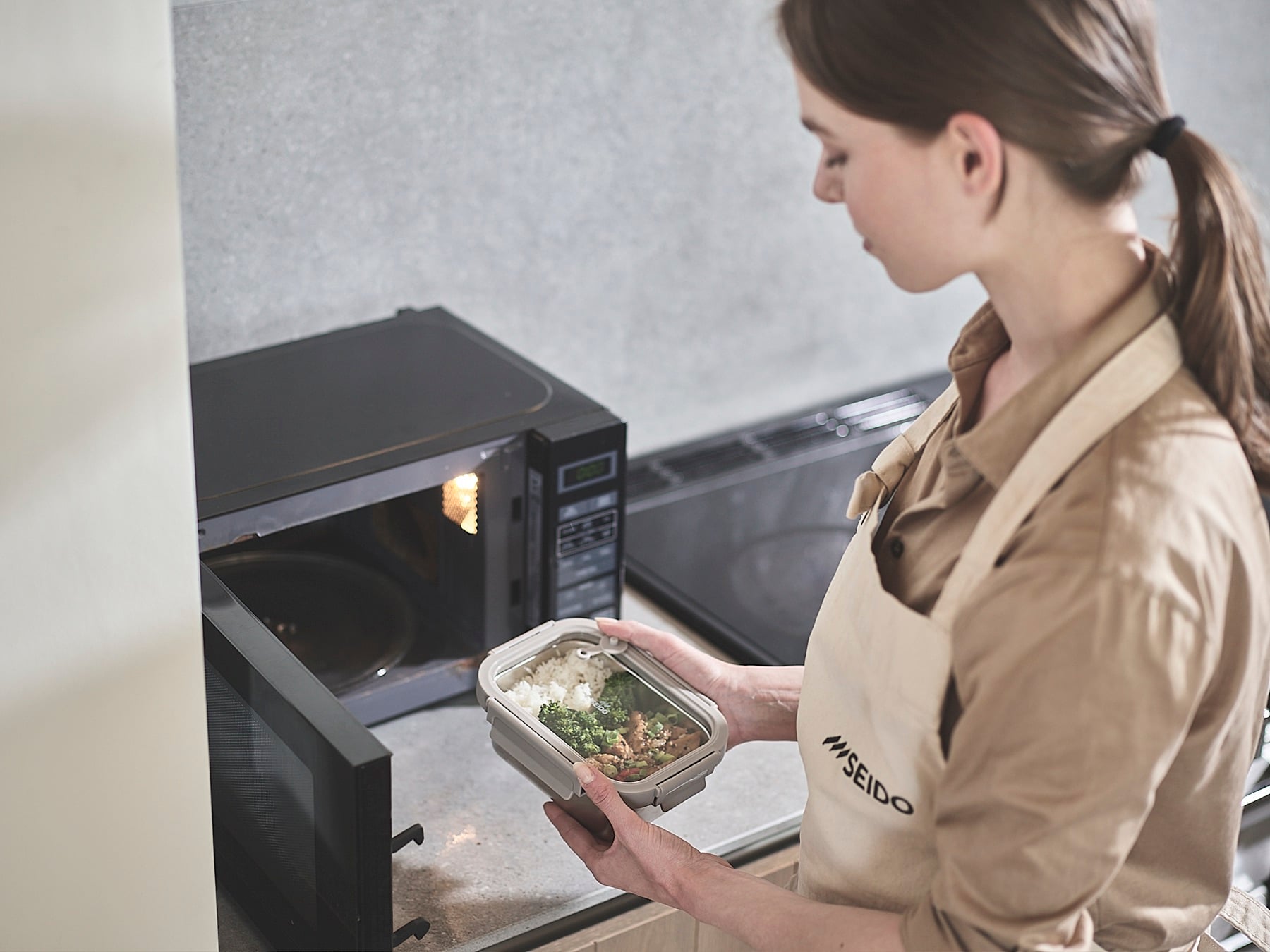
Microwave-safe
Engineered for it — lab-tested
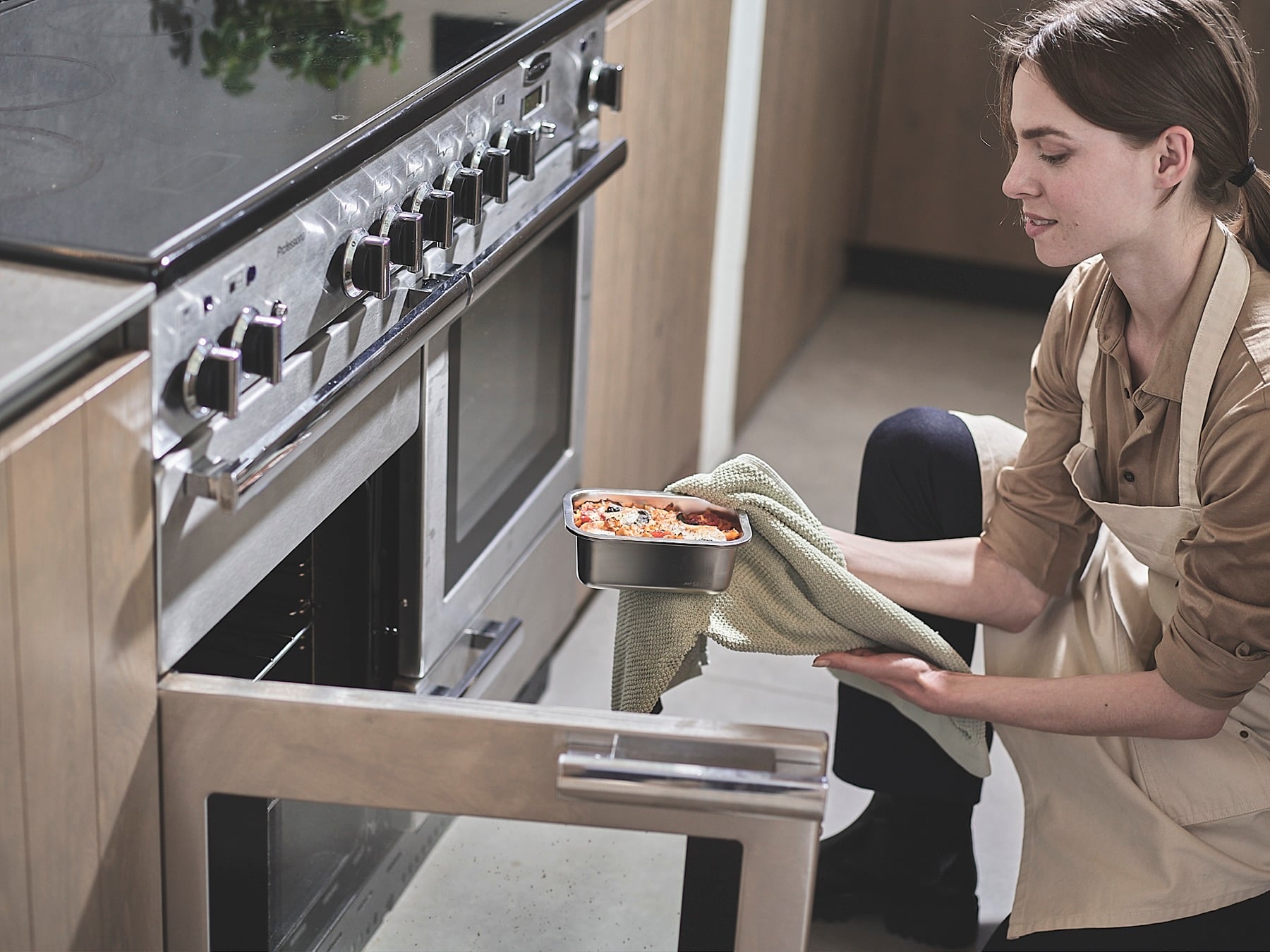
Container oven-safe
Without the lid — lab-tested
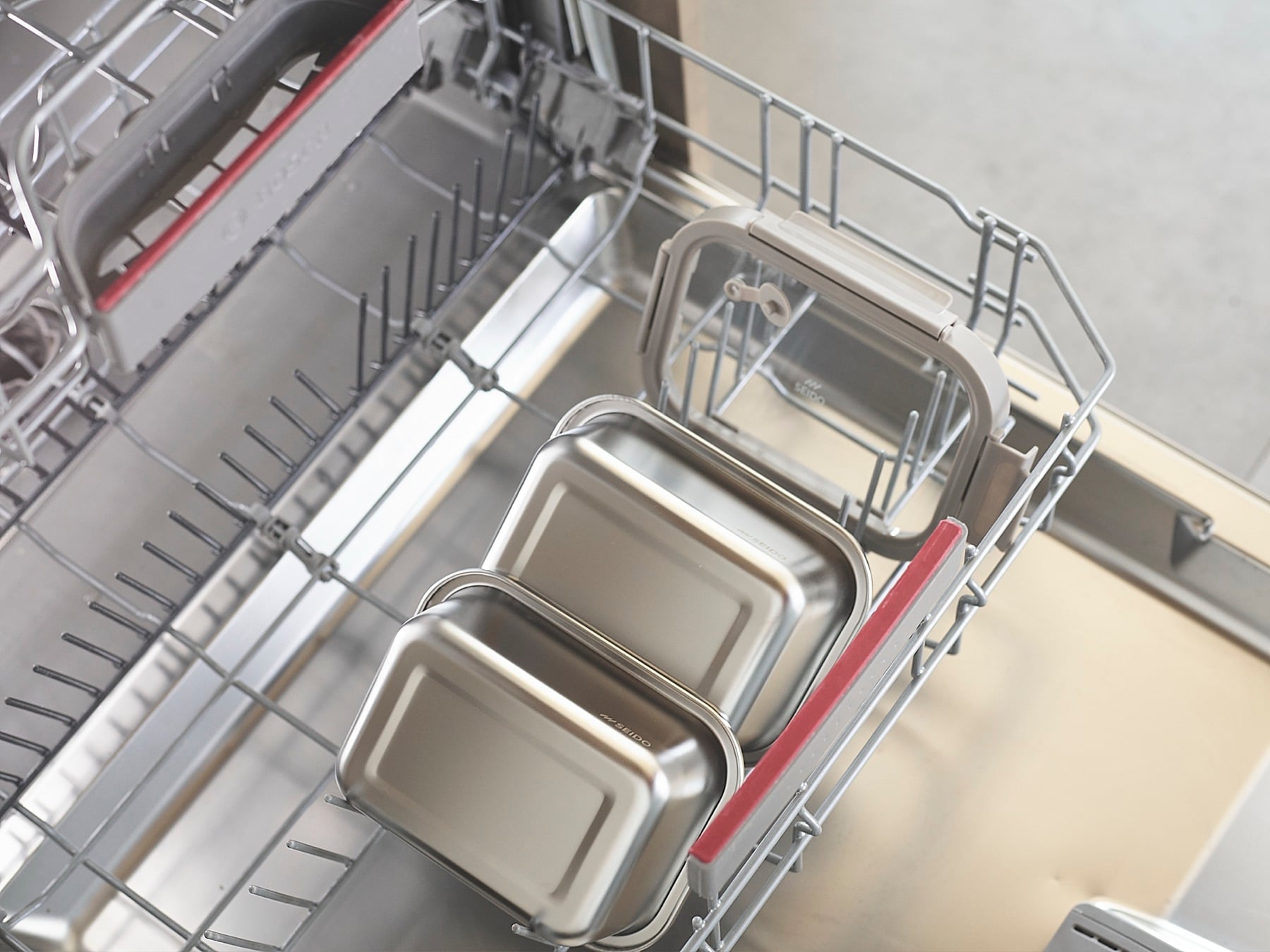
Dishwasher-safe
Lab-tested — EN 12875-1, 50 cycles
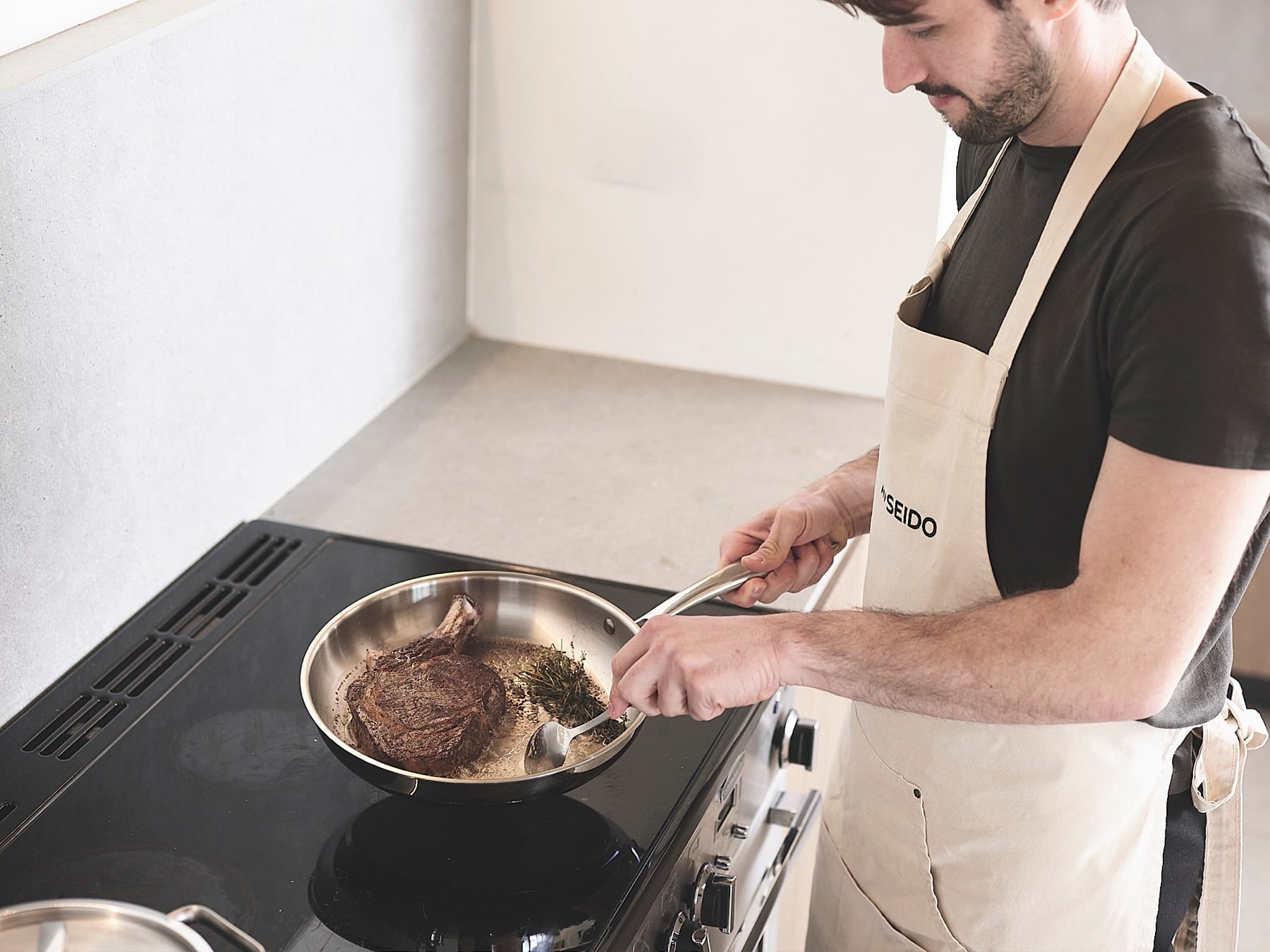
Built to sear
Uncoated 304 (18/8) cooking surface
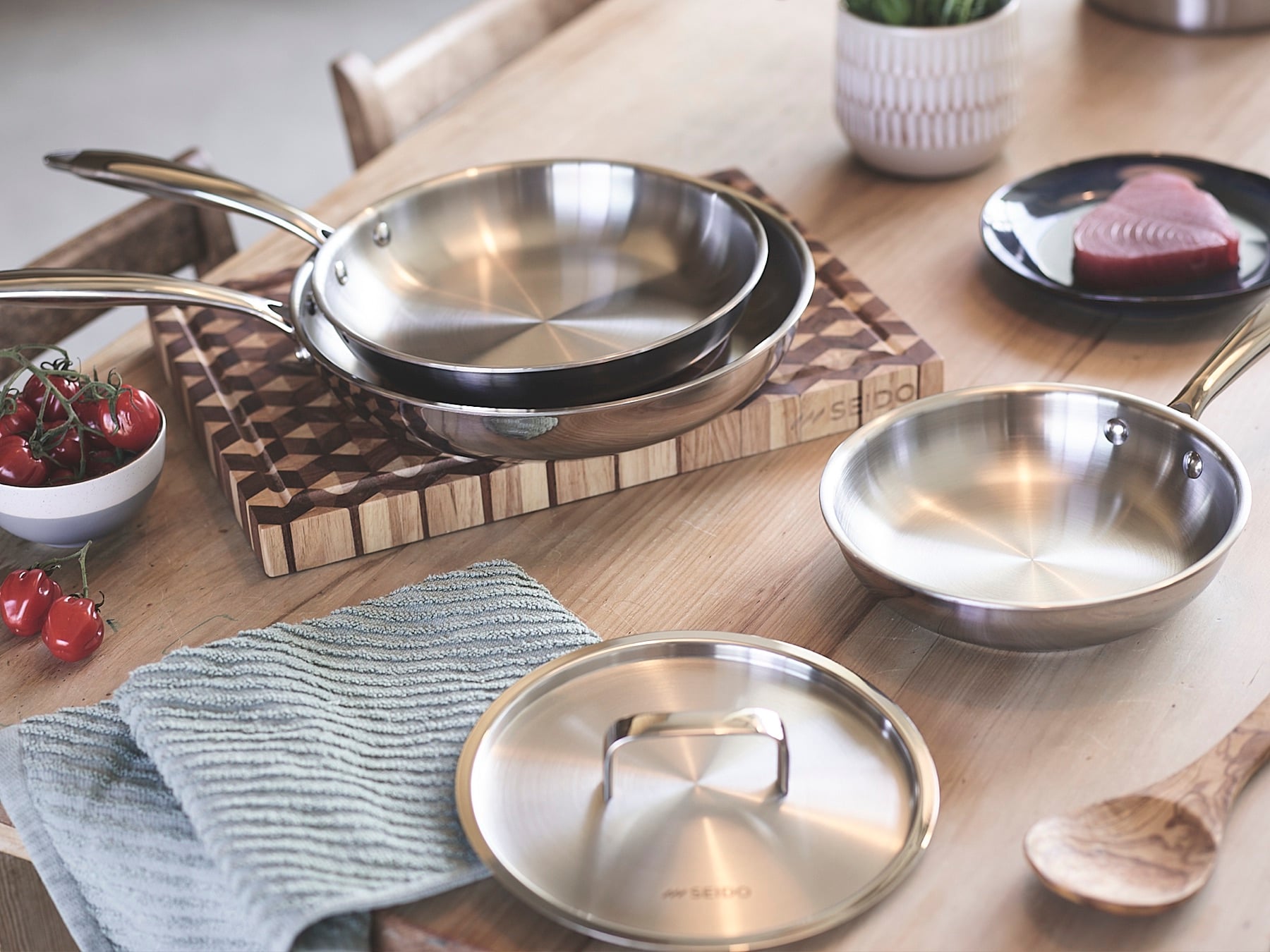
Three sizes, with lids
8, 9.5 and 11 inches
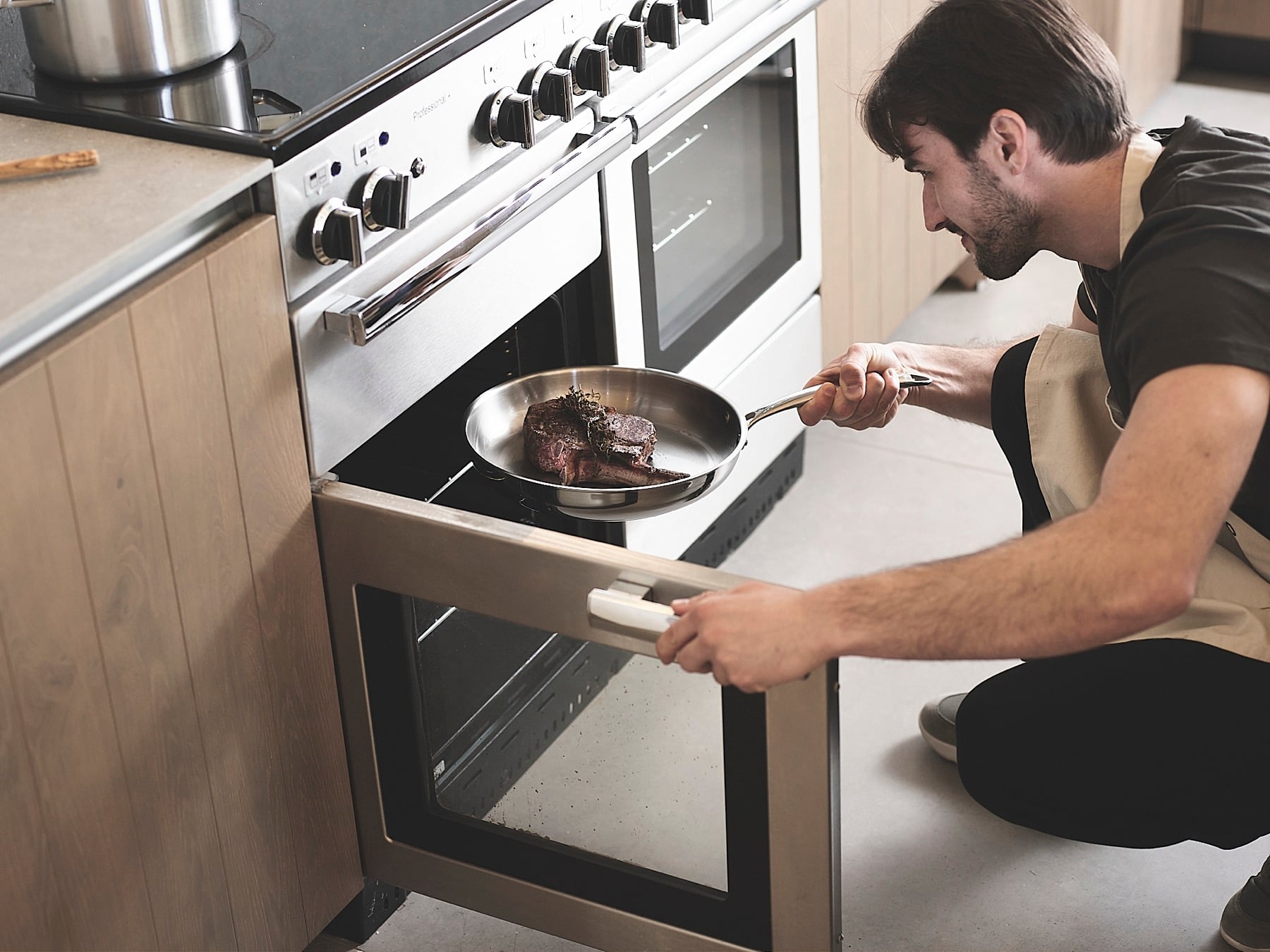
Stovetop to oven
Oven-safe — owner-confirmed, no coating to protect
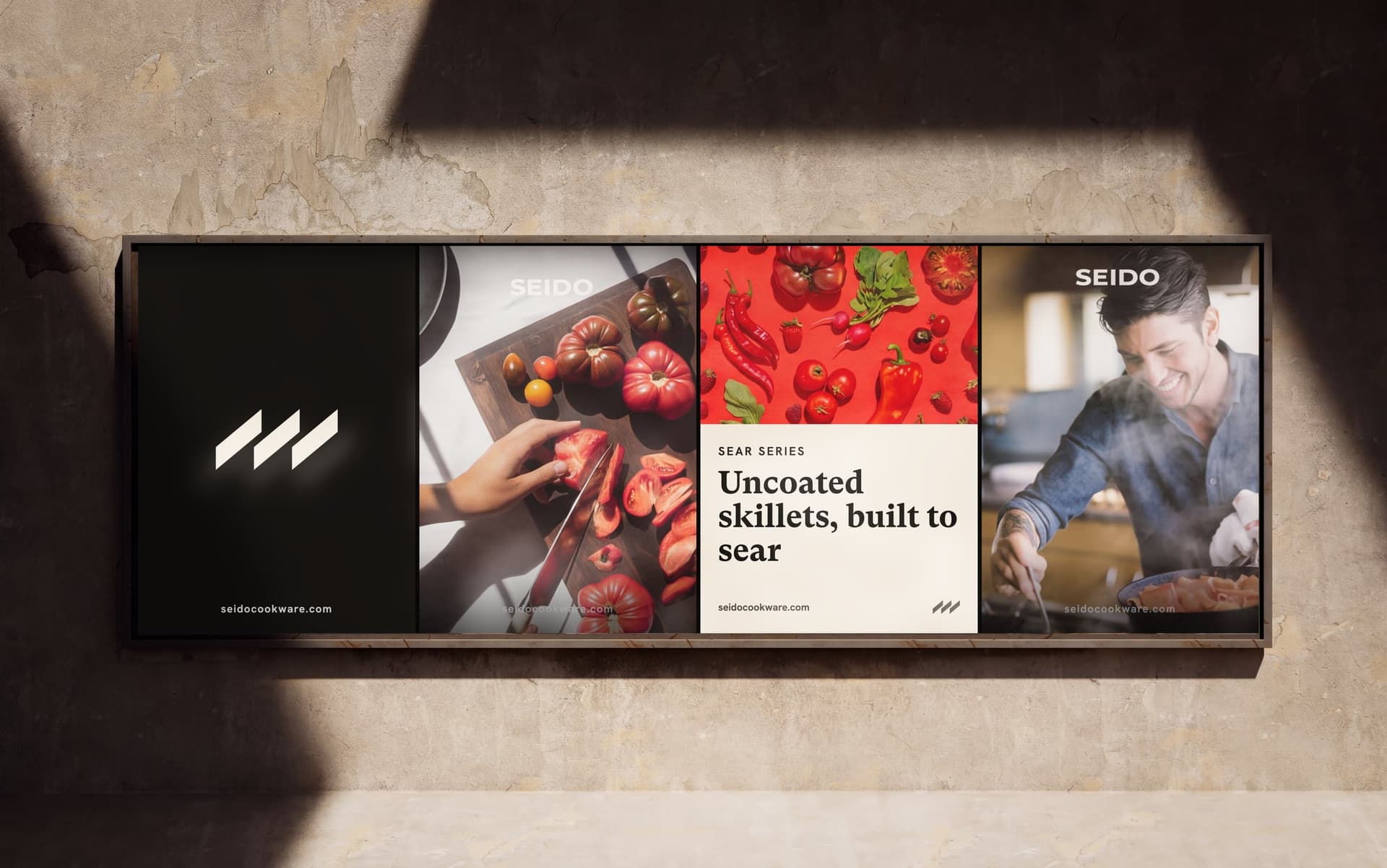
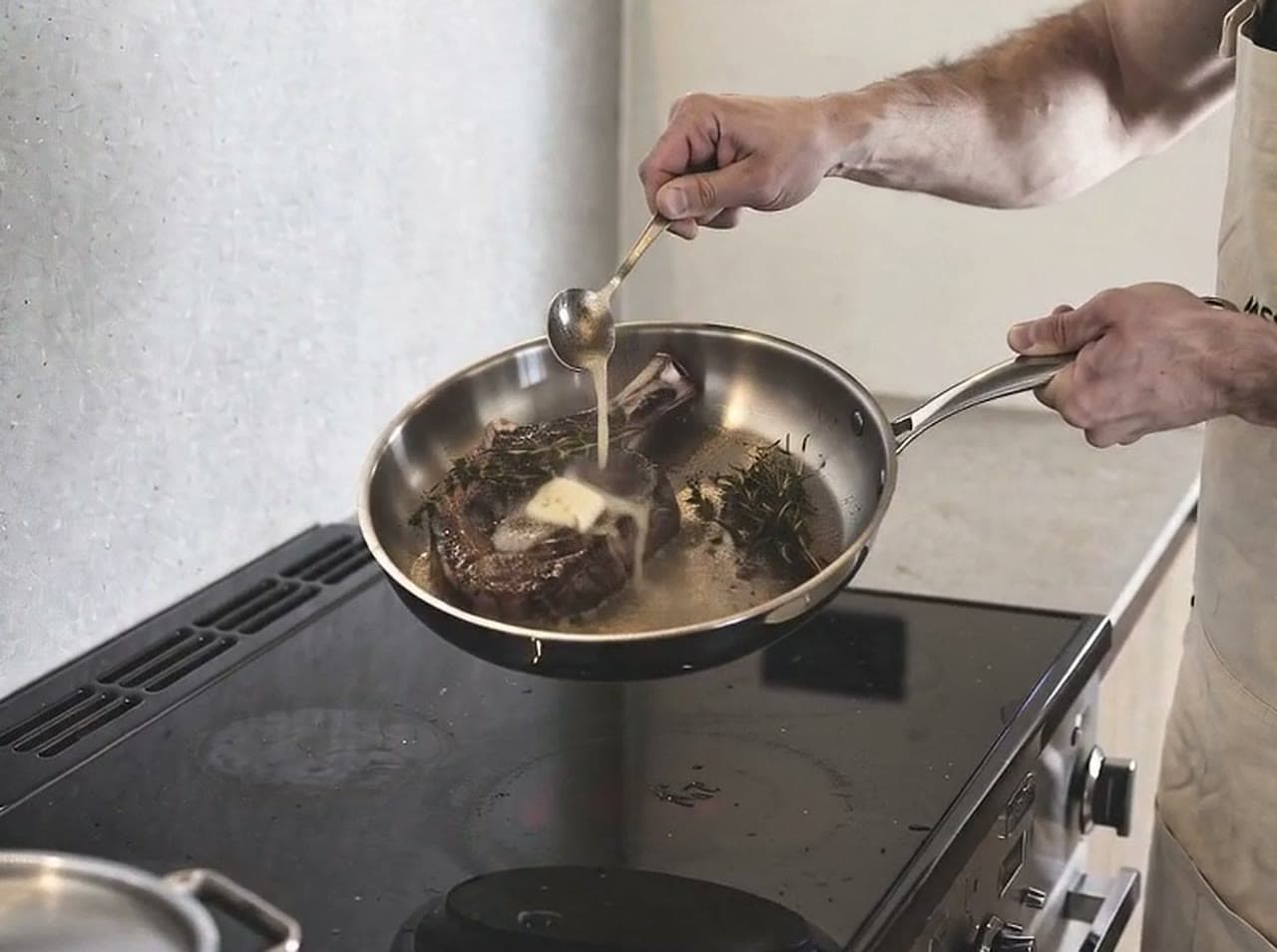
Performance
Built to sear.
Uncoated stainless steel takes the stovetop heat that real searing demands and builds the browned fond that makes pan sauces work. The technique is simple to learn — the Learn library covers it step by step.
Learn the technique5-Year Limited Warranty
Every SEIDO Cookware product is covered for five years against defects in materials and workmanship. If we confirm a manufacturing defect, we will put it right.
Read the warrantyFrequently asked questions
Is stainless steel cookware safe?
SEIDO Cookware skillets are tri-ply clad, with a 304 (18/8) stainless steel cooking surface. All SEIDO Cookware products are made without intentionally added PFAS and without synthetic coatings. Because the skillets are uncoated, the cooking surface is the steel itself — there is no synthetic layer to scratch, flake, or wear away over years of use.
Do SEIDO Cookware skillets have a nonstick coating?
No. SEIDO Cookware skillets are uncoated by design. The cooking surface is 304 (18/8) stainless steel with no synthetic coating applied — no coating to flake, wear thin, or fail after hard use. Uncoated stainless steel takes high stovetop heat, sears properly, and scrubs back to clean metal. Food release comes from technique — preheating and fat — which the Learn library explains step by step.
Where can I buy SEIDO Cookware in the US?
SEIDO Cookware is sold in the United States on Amazon. This site is the brand's education and product-information home: read the guides, compare the three skillet sizes, then follow the 'See price on Amazon' link on any product page. Both the skillet lineup and the stainless steel lunch box 3-pack are sold on Amazon.com.
What warranty does SEIDO Cookware offer?
Every SEIDO Cookware product is covered by a 5-Year Limited Warranty. That includes the uncoated stainless steel skillets in all three sizes — 8-inch (20 cm), 9.5-inch (24 cm), and 11-inch (28 cm) — and the stainless steel lunch box 3-pack. Because the skillets carry no synthetic coating, there is no surface layer whose failure cuts the pan's working life short.
From the journal
- What to Look For in a Clad Stainless Steel Skillet
- How to Cook Eggs on Stainless Steel Without Sticking
- Why Food Sticks to Stainless Steel Pans
- Stainless Steel vs Nonstick Pans
- Is Stainless Steel Cookware Safe?
- How to Clean a Burnt Stainless Steel Pan
- What Size Skillet Do You Need?
- What Is 18/8 (304) Stainless Steel?
- 3-Ply vs 5-Ply Stainless Steel: What Actually Matters
- How to Sear Steak in a Stainless Steel Skillet
- How Hot Should a Stainless Steel Pan Be?
- Are Nonstick Pans Safe? What PTFE, Scratches and Heat Actually Do